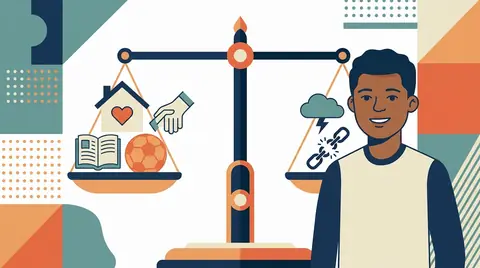
Drug Prevention
Underage Drinking: Facts, Risks and Community Responses
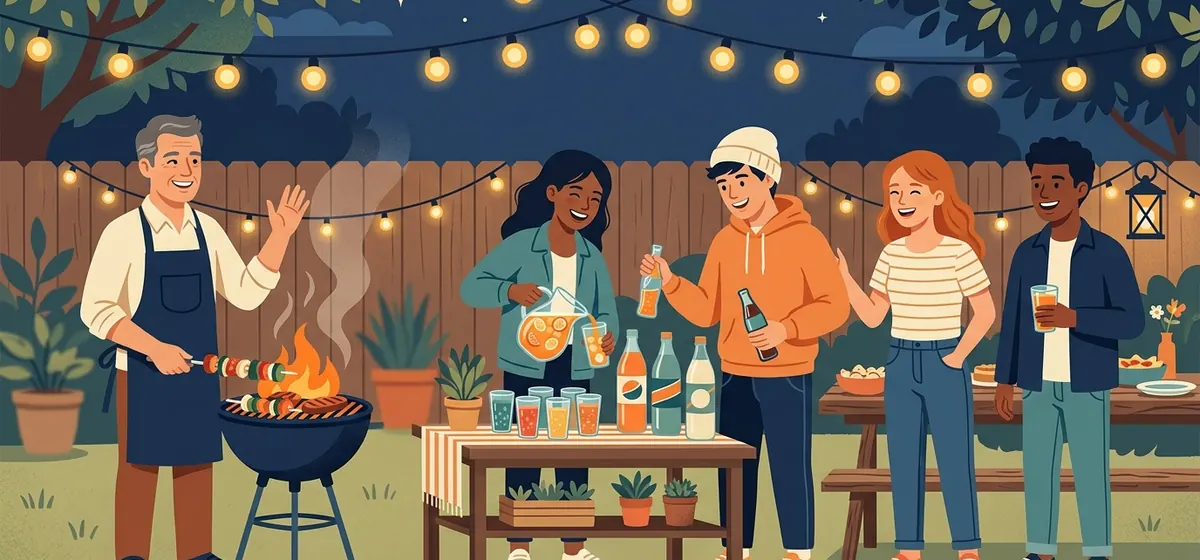
Why underage drinking matters, how it harms the developing brain, and what families and communities can do.
Alcohol is the substance most commonly used by young people in the United States and many other countries. Although rates of teen drinking have fallen over the past two decades, binge drinking among adolescents and young adults remains a leading cause of injury and death.
Why it matters
- Injuries and crashes. Alcohol is involved in a large share of fatal crashes, drownings, falls and violence among young people.
- Brain development. The brain continues developing into the mid-20s. Heavy drinking during adolescence is associated with problems in memory, attention and decision-making.
- Later dependence. People who start drinking before age 15 are several times more likely to develop alcohol use disorder than those who wait until 21.
- Alcohol poisoning. Teens often drink in large amounts quickly. Signs include confusion, vomiting, slow or irregular breathing, and not waking up. Call 911; do not leave the person to "sleep it off".
Where teens get alcohol
Most underage drinkers get alcohol from social sources: friends, older siblings, parents, or parties at someone's home, rather than buying it directly. This is why prevention increasingly targets adults who provide alcohol or host drinking parties.
Community responses that work
- Compliance checks so stores do not sell to minors.
- Social host liability laws and ordinances.
- Responsible beverage service training for bars and restaurants.
- Parent networks that agree on common rules, such as no alcohol at teen parties.
The NIAAA's Alcohol Policy Information System (APIS) tracks state laws on underage drinking, including social host laws. For a plain-language overview, see this guide to social host liability laws.
This article is for general education and is not a substitute for advice from a qualified health professional.