Drug Prevention
Cannabis and Young People: Risks in an Era of Legalization
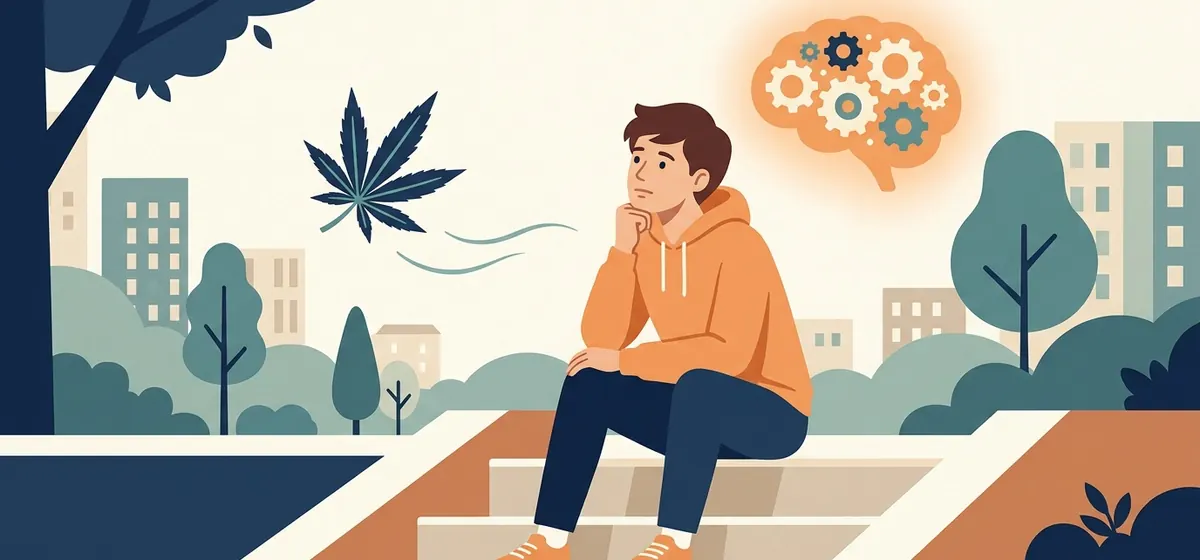
What research says about adolescent cannabis use, high-potency products, and how to talk about it honestly.
As more U.S. states legalize cannabis for adults, many parents and teenagers assume it is harmless. Legal for adults does not mean safe for adolescents, and today's products are much stronger than those of past decades.
Potency has changed
Average THC content in cannabis flower has risen several-fold since the 1990s, and concentrates, vapes and edibles can contain far higher levels. Higher potency is linked to greater risk of dependence and of acute problems such as panic, vomiting syndromes and psychotic symptoms.
Risks for adolescents
- Dependence. About one in ten people who use cannabis develop cannabis use disorder; the risk is higher for those who start young and use daily.
- Mental health. Frequent use of high-potency cannabis in adolescence is associated with increased risk of psychosis and schizophrenia, especially in people with a family history.
- School and memory. Regular use affects attention and memory, with effects lasting days after use.
- Driving. Cannabis impairs reaction time and coordination; combining it with alcohol is especially dangerous.
- Edibles. Effects are delayed, which leads people to take more. Accidental ingestion by young children has risen sharply in states with legal markets; store products locked and out of reach.
Talking about it
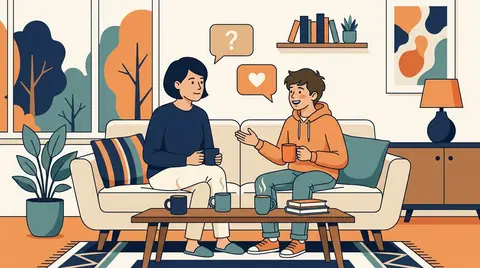
Acknowledge what teens already know (that it is legal for adults in many places) and focus on the specific reasons to wait: brain development, potency, and the link with mental health. Honest, specific messages are more persuasive than blanket warnings.
Getting help
Cannabis use disorder is treatable, usually with outpatient counseling such as cognitive behavioral therapy, motivational enhancement and family-based approaches for teens. Many community programs offer these services; you can search for outpatient treatment programs by state.
This article is for general education and is not a substitute for advice from a qualified health professional.