Drug Prevention
Opioids, Fentanyl and Naloxone: Preventing Overdose Deaths
How the fentanyl era changed overdose risk, how to recognize an overdose, and how to use naloxone.
Illicitly made fentanyl has transformed the overdose crisis. It is many times stronger than heroin, and it is often pressed into counterfeit pills that look like prescription medications or mixed into other drugs. People can be exposed without knowing it.
Key prevention messages
- Pills not from a pharmacy can contain fentanyl. Counterfeit oxycodone, Xanax and Adderall tablets are common.
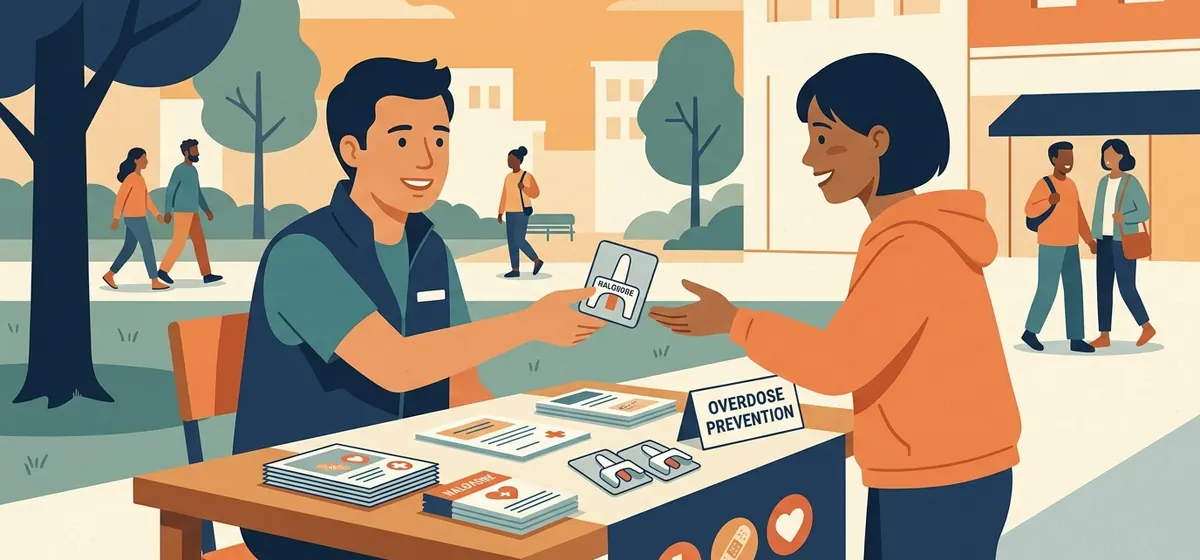
- Naloxone saves lives. Naloxone (Narcan and other brands) reverses opioid overdose. Nasal spray is sold over the counter in the U.S. and is often available free from health departments.
- Never use alone. Someone present can call for help and give naloxone.
- Fentanyl test strips can detect fentanyl in drugs and are legal in most states.
Recognizing an overdose
- Unresponsive or very hard to wake
- Slow, shallow or stopped breathing; gurgling or snoring sounds
- Pinpoint pupils
- Blue or gray lips and fingertips
What to do
- Call 911. Many states have Good Samaritan laws protecting people who call for help.
- Give naloxone: one spray in one nostril. If there is no response in 2 to 3 minutes, give another dose.
- Support breathing if trained, and place the person on their side.
- Stay until help arrives. Naloxone can wear off before the opioid does.
Treatment works
Medications for opioid use disorder, buprenorphine, methadone and extended-release naltrexone, substantially reduce the risk of overdose death. Methadone is provided through certified opioid treatment programs, and buprenorphine can be prescribed by many clinicians. To find a program, see this directory of medication-assisted treatment providers, or call the SAMHSA National Helpline at 1-800-662-4357.
This article is for general education and is not a substitute for advice from a qualified health professional.