Drug Prevention
School-Based Prevention Programs: What Schools Should Look For
How schools can choose and run drug and alcohol prevention programs that are backed by evidence.
Schools reach nearly every young person, which makes them a natural setting for prevention. But the quality of school programs varies widely. A few principles separate effective programs from well-meant ones.
Features of effective school programs
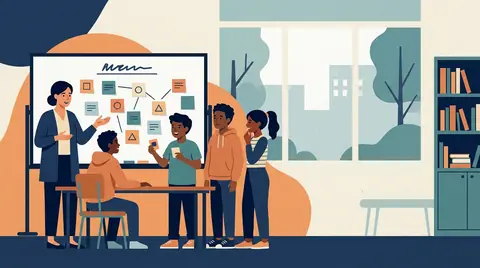
- Interactive delivery. Role-play, discussion and skill practice work better than lectures.
- Multiple sessions. Typically 10 or more sessions in the first year, with booster sessions later.
- Skills, not just facts. Decision-making, coping, assertive refusal and media literacy.
- Normative education. Correcting the belief that "everyone is doing it".
- Trained, consistent facilitators. Programs delivered as designed (fidelity) get better results.
- Age-appropriate timing. Starting before most students have tried alcohol or nicotine.
Beyond the classroom
Whole-school approaches that improve school climate, reduce bullying and strengthen connection to school also lower substance use. Clear, fair policies on substance use, with an emphasis on referral and support rather than only suspension, help keep students in school, which is itself protective.
Screening and referral
Some schools use brief screening (such as the CRAFFT questionnaire) through school health staff, followed by a short motivational conversation and, where needed, referral to community services. Counselors should keep an up-to-date list of local adolescent treatment providers, including those that accept Medicaid.
Where to find vetted programs
Blueprints for Healthy Youth Development, the UNODC/WHO International Standards and SAMHSA's Evidence-Based Practices Resource Center all list programs with evaluation evidence. Choosing from these lists is more reliable than designing a curriculum from scratch.
This article is for general education and is not a substitute for advice from a qualified health professional.