HIV/AIDS
Harm Reduction Explained
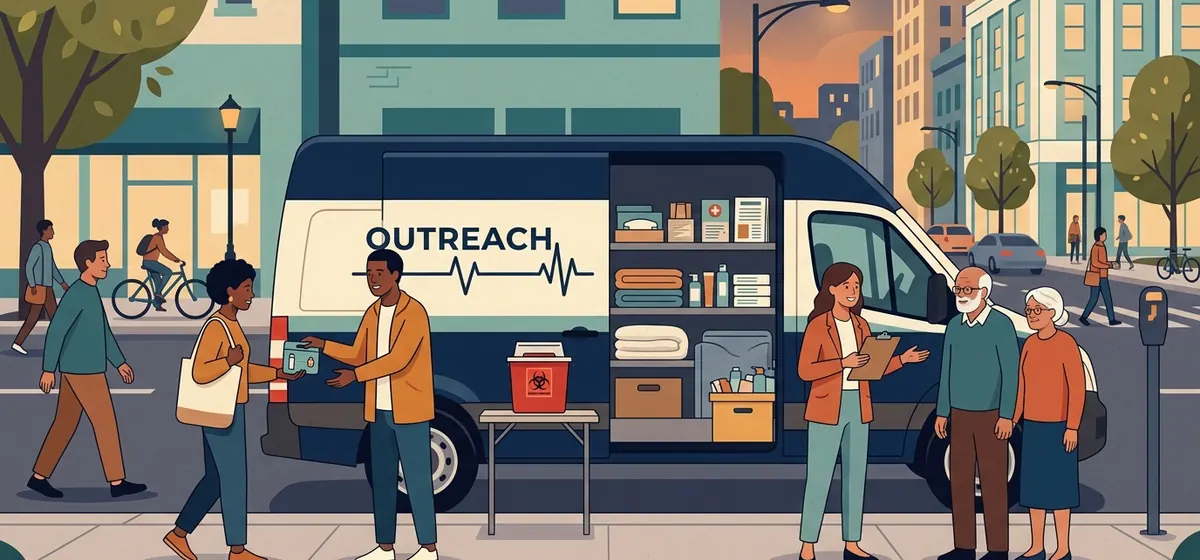
What harm reduction is, the evidence behind syringe services, naloxone and drug checking, and common misconceptions.
Harm reduction is a set of practical strategies that reduce the negative consequences of drug use without requiring people to stop using first. It meets people where they are and treats them with dignity, while keeping the door open to treatment.
Core harm reduction services
- Syringe services programs (SSPs). Provide sterile syringes, safe disposal, testing for HIV and hepatitis C, wound care and referrals.
- Naloxone distribution. Putting the overdose-reversal drug into the hands of people who use drugs and their families.
- Drug checking. Fentanyl and xylazine test strips help people know what is in their supply.
- Medications for opioid use disorder are often considered both treatment and harm reduction.
What the evidence shows
Decades of research show that SSPs reduce HIV and hepatitis C transmission, do not increase drug use or crime, and connect people to treatment: people who use SSPs are more likely to enter treatment than those who do not. Naloxone distribution programs reduce overdose deaths in the communities they serve.
Common misconceptions
- "It encourages drug use." Studies consistently find no increase in drug use where SSPs or naloxone programs operate.
- "It is the opposite of treatment." Harm reduction services are often the first trusted contact that leads someone to treatment.
- "Needles end up in parks." Areas with SSPs typically see fewer discarded syringes because programs provide disposal.
Harm reduction and prevention together
Primary prevention aims to stop or delay use before it starts. Harm reduction protects people who already use. Treatment helps people reduce or stop. A complete community response needs all three.
This article is for general education and is not a substitute for advice from a qualified health professional.