HIV/AIDS
HIV and Substance Use: How They Are Connected
How drug and alcohol use raise HIV risk, and why integrated prevention and treatment matter.
Substance use and HIV have been linked since the beginning of the epidemic. The connection runs both ways: substance use increases the risk of acquiring HIV, and it makes living with HIV harder to manage.
How substance use raises HIV risk
- Sharing injection equipment. Needles, syringes and other equipment can carry blood containing HIV, hepatitis C and hepatitis B.
- Sexual risk. Alcohol, methamphetamine and other drugs lower inhibitions and are associated with condomless sex and multiple partners.
- Exchange of sex for drugs or money, which carries higher exposure risk.
Effects on people living with HIV
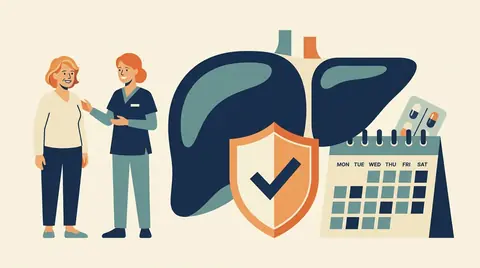
Substance use can interfere with taking antiretroviral therapy (ART) every day, attending appointments and keeping a suppressed viral load. Some drugs interact with HIV medications. Alcohol and drugs can also worsen liver disease, which is common among people with HIV and hepatitis C co-infection.
What works
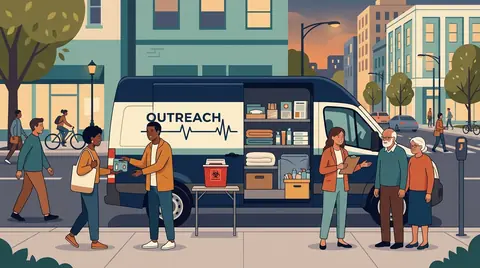
- Syringe services programs provide sterile equipment, testing and links to care, and reduce HIV and hepatitis C transmission without increasing drug use.
- Medications for opioid use disorder (methadone, buprenorphine) reduce injection and HIV risk behaviors.
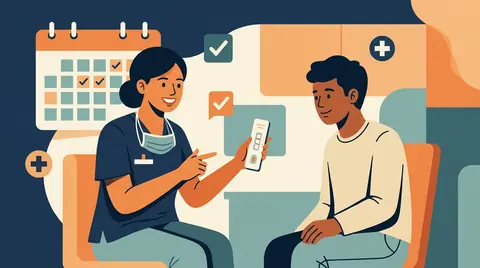
- Routine HIV testing in substance use treatment programs, and substance use screening in HIV clinics.
- PrEP (pre-exposure prophylaxis) for people at ongoing risk, including people who inject drugs.
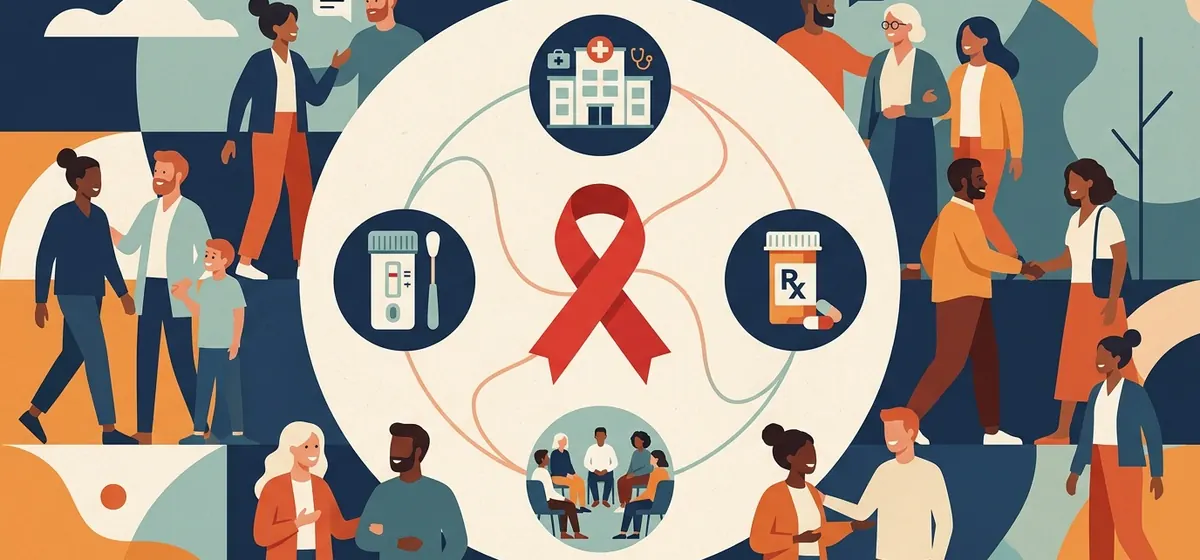
Integrated services, where the same clinic addresses HIV, hepatitis and substance use, keep more people in care than sending them to separate places.
This article is for general education and is not a substitute for advice from a qualified health professional.