HIV/AIDS
HIV Testing and Prevention: The Basics
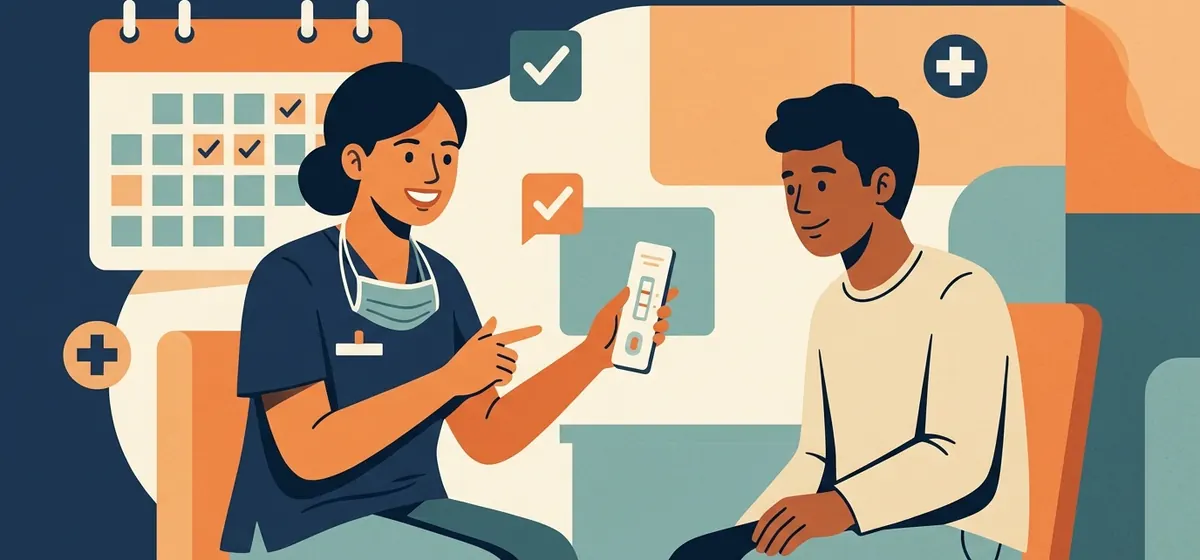
Who should test for HIV, what test types exist, and the main ways to prevent HIV today.
HIV prevention today combines several tools. Testing is the starting point: people who know their status can start treatment or prevention right away.
Who should get tested
U.S. guidelines recommend everyone aged 13 to 64 be tested at least once as part of routine health care, and people with ongoing risk (for example, people who inject drugs, have multiple sex partners or have a partner living with HIV) at least once a year.
Types of tests
- Lab antigen/antibody tests from a blood draw can detect HIV sooner after exposure than rapid tests.
- Rapid tests give results in about 20 to 30 minutes, including self-tests sold in pharmacies.
- Nucleic acid tests detect the virus itself and are used in specific situations, such as very recent exposure.
Prevention tools
- Condoms remain highly effective when used consistently.
- PrEP, taken as a daily pill or long-acting injection, greatly reduces the risk of getting HIV from sex or injection drug use.
- PEP (post-exposure prophylaxis) must be started within 72 hours after a possible exposure. Go to an emergency department or urgent care promptly.
- Treatment as prevention. People with HIV who take ART and keep an undetectable viral load do not transmit HIV sexually ("Undetectable = Untransmittable").
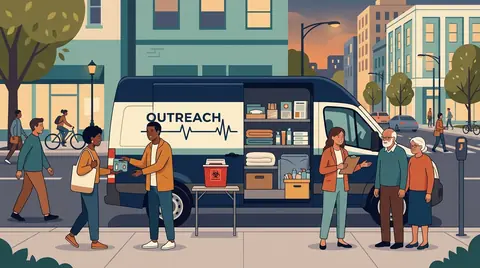
- Sterile injection equipment from syringe services programs or pharmacies.
Where to get tested
Local health departments, community health centers, many pharmacies and HIV service organizations offer free or low-cost testing. In the U.S., the CDC's GetTested locator lists sites by ZIP code.
This article is for general education and is not a substitute for advice from a qualified health professional.