HIV/AIDS
Hepatitis C and Injection Drug Use
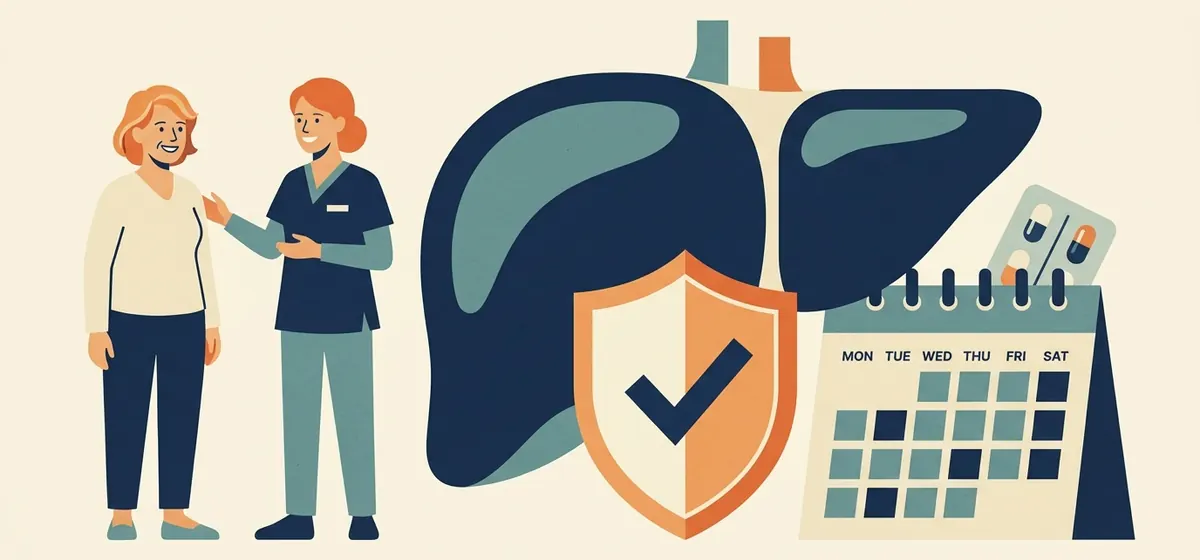
Why hepatitis C is common among people who inject drugs, and why it is now curable in most cases.
Hepatitis C virus (HCV) is the most common blood-borne infection among people who inject drugs. Many people do not know they have it, because it can cause no symptoms for years while slowly damaging the liver.
How it spreads
HCV spreads mainly through blood. Sharing needles and syringes is the main route, but the virus can also spread through shared cookers, cotton, water and straws used for snorting. HCV can survive on surfaces and in syringes for days to weeks.
Testing
U.S. guidelines recommend at least one hepatitis C test for all adults, and regular testing for people who currently inject drugs. A positive antibody test should be followed by an RNA test to confirm current infection.
Treatment is a cure
Direct-acting antiviral medications, taken as pills for 8 to 12 weeks, cure more than 95% of hepatitis C infections, with few side effects. People who currently use drugs can and should be treated; active drug use is not a reason to withhold treatment. Reinfection is possible, so continued access to sterile equipment matters.
Prevention
- Use new, sterile equipment every time, available from syringe services programs.
- Do not share any injection or snorting equipment.
- Get vaccinated against hepatitis A and B (there is no vaccine for hepatitis C).
- Medications for opioid use disorder reduce injection frequency and HCV risk.
This article is for general education and is not a substitute for advice from a qualified health professional.